Brand Monitoring: Tools and Strategy to Catch Issues Before They Spread
You cannot manage what you cannot see. Brand monitoring catches mentions of your business across the web before they become problems.
Brand Monitoring: Tools and Strategy to Catch Issues Before They Spread
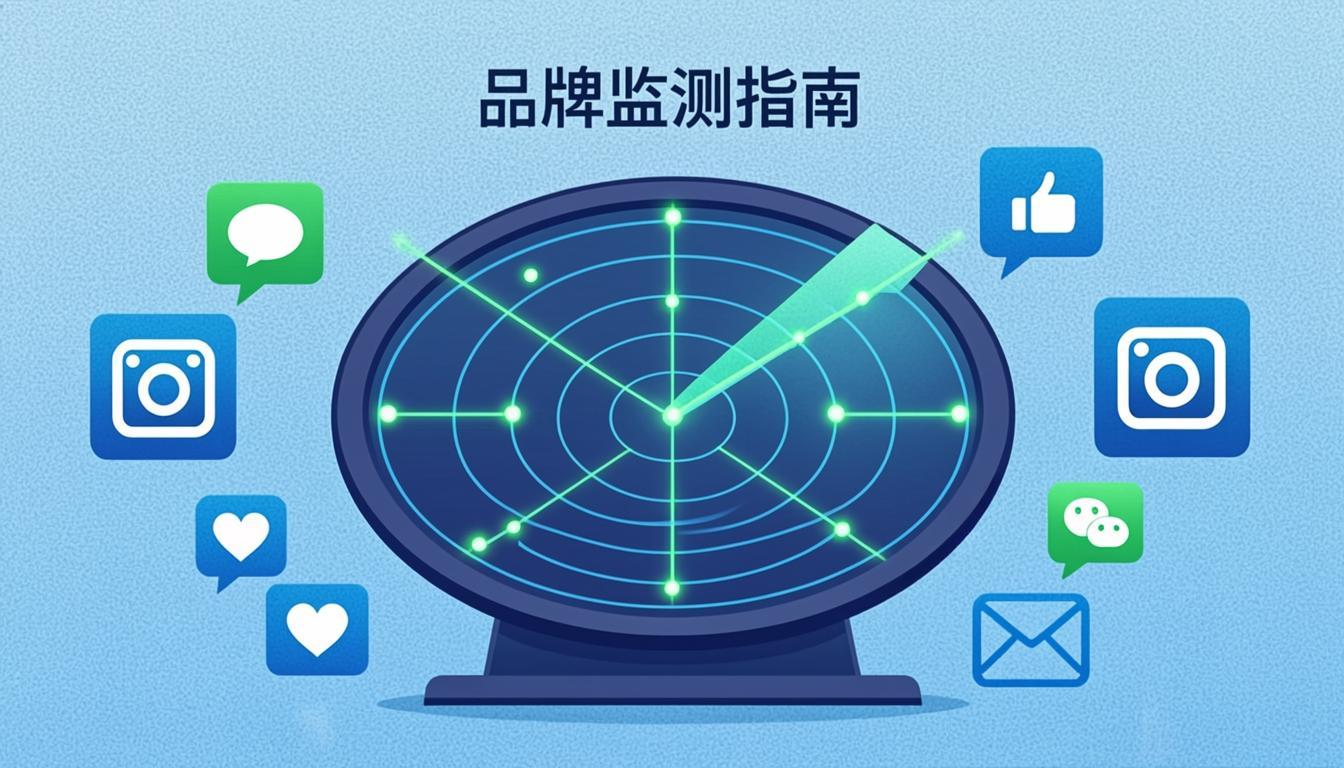
Brand monitoring is the practice of tracking mentions of your business across the web so you can respond to them before they spread. You cannot manage what you cannot see, and in the age of social media, a single negative post can reach thousands of people before you even know it exists. Brand monitoring catches these mentions early, giving you the chance to respond, engage, or address issues before they become reputation problems. This guide covers the tools, strategy, and workflow you need to build an effective brand monitoring system.
After setting up brand monitoring for over 40 brands, we have identified what works and what does not. The right tools matter, but the strategy matters more. A brand with a clear monitoring workflow and basic tools will outperform a brand with expensive tools and no strategy. This guide covers both.
What brand monitoring actually covers
Brand monitoring is broader than most people think. It is not just about watching Google Reviews or checking your Yelp page. It covers every place where people might talk about your business, including platforms you may not even know exist. Here are the 5 categories every brand monitoring system should cover:
- Review platforms. Google, Yelp, Facebook, Trustpilot, BBB, and industry-specific review sites. These are the most visible mentions and the ones most prospects will see.
- Social media. Twitter, LinkedIn, Instagram, TikTok, Facebook, YouTube. Social mentions can go viral quickly and reach thousands of people in hours.
- Forums and communities. Reddit, Quora, industry-specific forums, Facebook groups. These are where detailed, honest conversations about your brand happen.
- News and blog mentions. News articles, blog posts, podcast mentions, YouTube reviews. These are high-authority mentions that can rank in search results.
- Search results. What shows up when someone Googles your brand name. The first page of search results shapes how prospects perceive you.
The 3 types of brand monitoring tools
There are 3 categories of brand monitoring tools, each with a different purpose and price point. Most brands need a combination of all 3 to get full coverage.
- Free monitoring tools. Google Alerts, Google Business Profile notifications, social media mention notifications. These cover the basics and are free, but they miss a lot of mentions and are not real-time.
- Social listening tools. Mention, Brand24, Brandwatch, Sprout Social. These track mentions across social media and the web in real-time, with sentiment analysis and reporting. They cost 50 to 500 per month depending on the platform.
- Review monitoring tools. ReviewTrackers, Podium, Birdeye, Reputation.com. These aggregate reviews from 50+ platforms into one dashboard, with alerts for new reviews and response management features. They cost 100 to 1,000 per month depending on the number of locations and platforms.
How to build a brand monitoring workflow
Tools are useless without a workflow. Here is the brand monitoring workflow we use for every client, designed to catch issues early and respond quickly:
- Set up alerts for your brand name, product names, founder name, and common misspellings. Configure them to send email notifications for new mentions.
- Check your review platforms daily. Google, Yelp, Facebook, and any industry-specific sites. New reviews should be responded to within 24 hours.
- Monitor social media mentions in real-time using a social listening tool. Set up alerts for mentions that include negative sentiment keywords.
- Review your search results weekly. Search your brand name on Google and review the first 2 pages. Note any negative content that appears.
- Set up a weekly report that summarizes all mentions, sentiment, and any issues that arose. This keeps the whole team informed and accountable.
What to do when you find a negative mention
When you find a negative mention, speed matters. The longer it sits unaddressed, the more people see it and the more it spreads. Here is the response framework we use:
- Assess the severity. Is this a minor complaint or a major issue? Is it from a real customer or a troll? Is it gaining traction or is it isolated?
- Respond publicly if appropriate. Acknowledge the issue, apologize, and offer to make it right. Move the conversation offline as quickly as possible.
- Respond privately if the mention is on a platform that allows direct messages. Reach out directly to the person who posted and offer to resolve the issue.
- Document the issue. Keep a record of what happened, how you responded, and the outcome. This helps you identify patterns and prevent future issues.
- Follow up after the issue is resolved. Ask the person if they would be willing to update or remove their negative post now that the issue is fixed.
You cannot manage what you cannot see. Brand monitoring catches mentions of your business across the web before they spread, giving you the chance to respond before a small issue becomes a reputation crisis.
How to measure the effectiveness of your brand monitoring
The success of your brand monitoring system comes down to 4 metrics. Coverage (what percentage of mentions you actually catch), response time (how quickly you respond to negative mentions), resolution rate (what percentage of negative mentions you successfully resolve), and sentiment trend (whether your overall brand sentiment is improving over time). A good brand monitoring system will catch 90+ percent of mentions, respond to negatives within 24 hours, resolve 50+ percent of negative mentions, and show a positive sentiment trend over time.
If any of these metrics are below benchmark, you know where to focus your improvement. Low coverage means you need better tools or more platforms monitored. Slow response time means you need better alerts or a faster workflow. Low resolution rate means your response strategy needs work. Negative sentiment trend means you have underlying issues that need to be addressed.
The bottom line
Brand monitoring is the foundation of effective reputation management. You cannot respond to what you do not know about, and in the age of social media, what you do not know about can hurt you. Set up monitoring across review platforms, social media, forums, news, and search results. Build a workflow that catches mentions early and responds quickly. And measure your effectiveness so you can improve over time. If you need help setting up brand monitoring, our online reputation management services include monitoring across 50+ platforms, real-time alerts, and professional response management.
Keep reading

Ready to put this into practice?
Book a free 30-minute audit. We'll look at what you're doing now and tell you honestly whether we can help.